Core question
How do bacteria coordinate the assembly of their membranes, cell wall, and other surface layers to maintain cellular integrity and prevent the entry of antibiotics and other toxic compounds?
The Bernhardt lab studies how bacteria build and remodel their cell envelopes with the goal of enhancing our fundamental understanding of bacterial growth. The knowledge gained will enable the development of novel antibiotics to combat the global threat of drug resistant bacterial infections.
Affiliated with


About The Lab
How do bacteria coordinate the assembly of their membranes, cell wall, and other surface layers to maintain cellular integrity and prevent the entry of antibiotics and other toxic compounds?
Many of our most effective antibiotics like penicillin and related drugs target the assembly of the bacterial cell wall. This wall and its associated surface layers also prevent antibiotic entry and contribute to the intrinsic drug resistance of bacteria. Defining the mechanisms of bacterial surface assembly therefore has the potential to identify new vulnerabilities in the bacterial growth program to target for antibiotic development and/or to resensitize resistant organisms to existing therapies.
We combine classical and modern bacterial genetics with biochemistry and advanced imaging methods across diverse bacterial species to uncover new insights into the mechanisms that promote bacterial growth and the integrity of their cell surface.
Education And Outreach
The lab runs the HMS Community Phages Program, which engages students in phage discovery and host-pathogen biology through hands-on research experiences.
Visit The ProgramTeam
Team directory
Browse the full directory for current lab members, research interests, and profile pages.
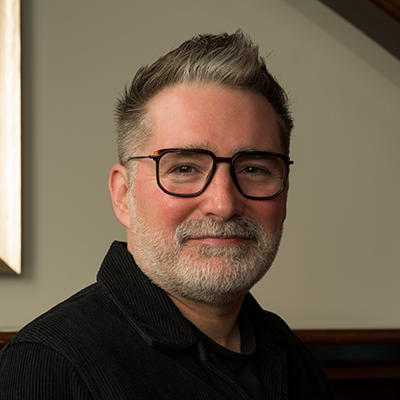
Professor in the Department of Microbiology at Harvard Medical School and Investigator of the Howard Hughes Medical Institute.
The Bernhardt lab studies molecular mechanisms of bacterial growth and cell wall assembly to inform antibiotic discovery.
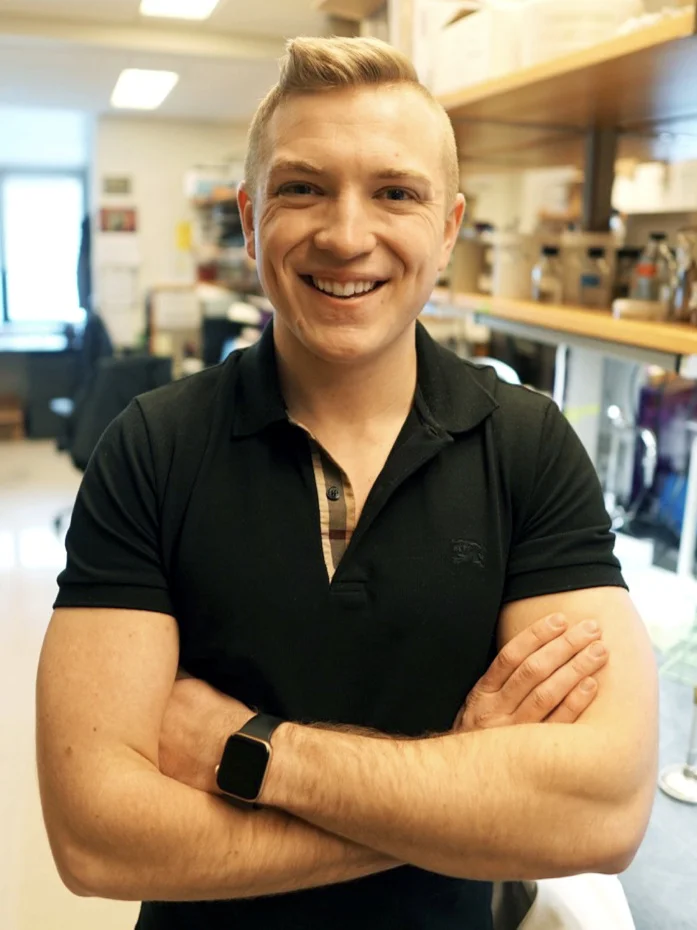
Laboratory Manager, Thomas Bernhardt Lab
Research operations lead for the Bernhardt and Abraham HHMI labs at HMS, overseeing finance, hiring, procurement, compliance, and lab infrastructure, and supporting HMS Community Phages.
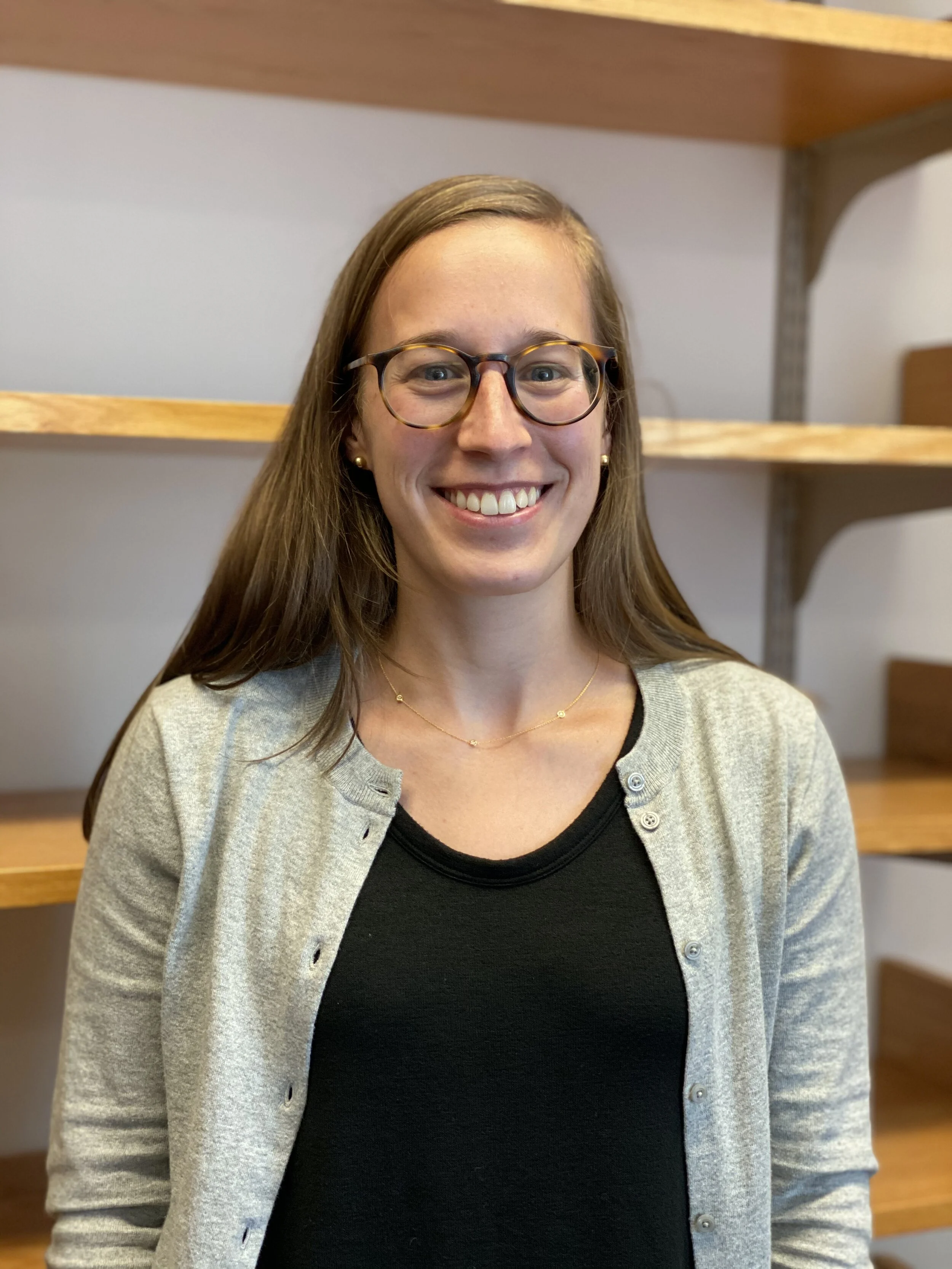
Postdoctoral Fellow
I am interested in cell envelope biogenesis in Corynebacterium glutamicum.
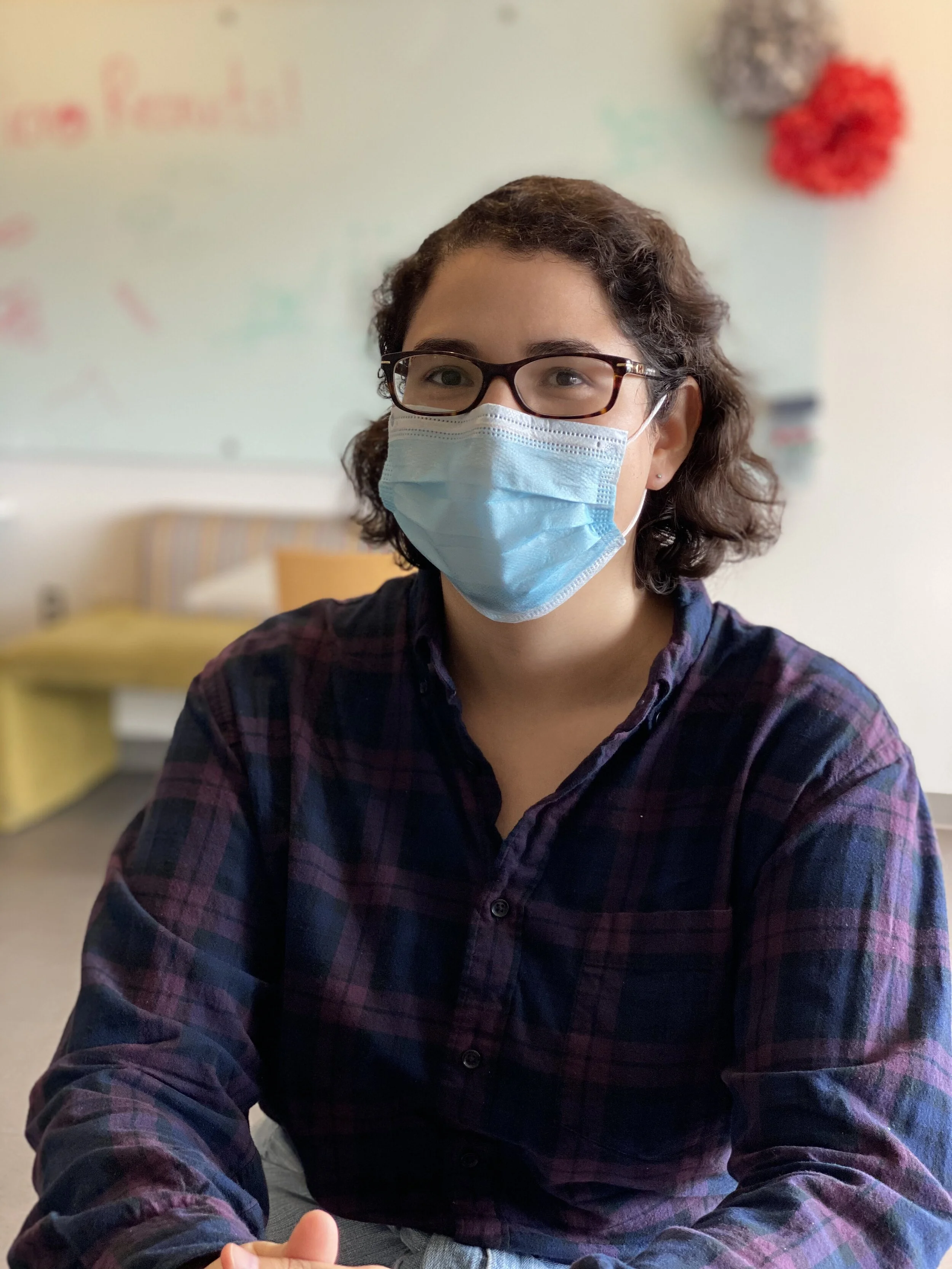
BBS Graduate Student
I am interested in examining the function of cell wall synthesis in E. coli.
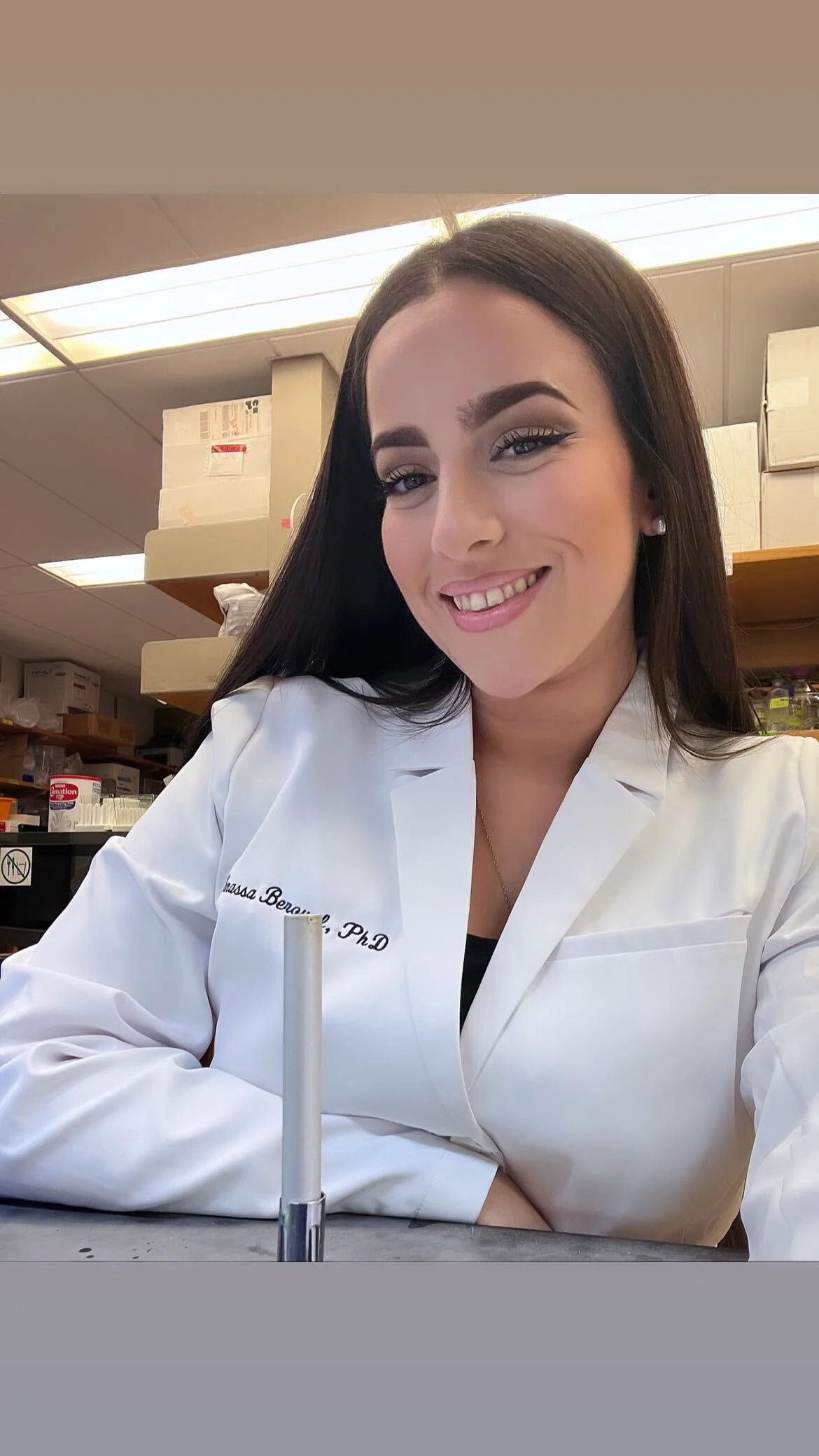
Postdoctoral Fellow
I am interested in cell wall biogenesis in Corynebacterium glutamicum.
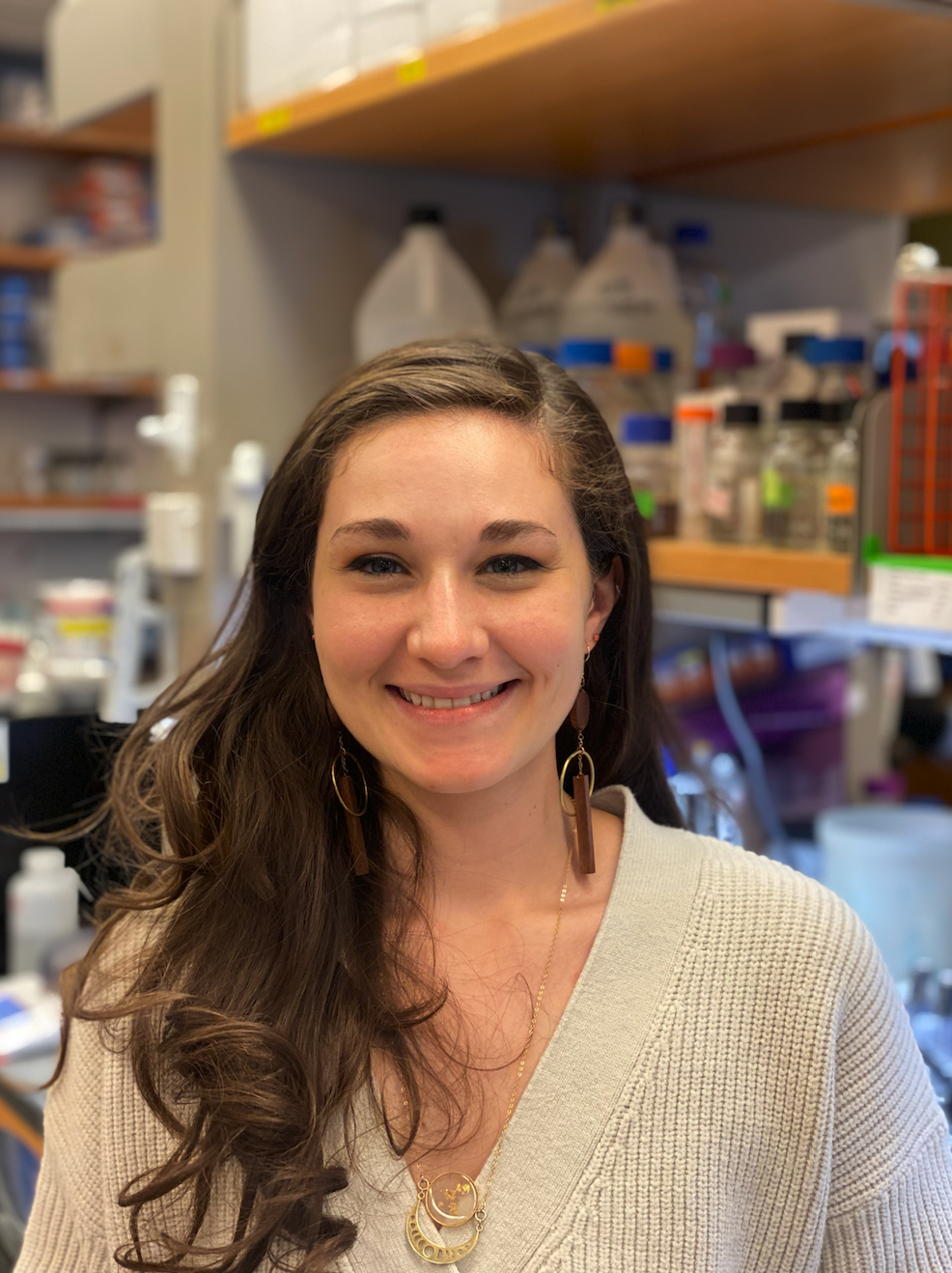
Postdoctoral Fellow
I am interested in understanding the role mannosylation plays in the membrane of Corynebacterium glutamicum.
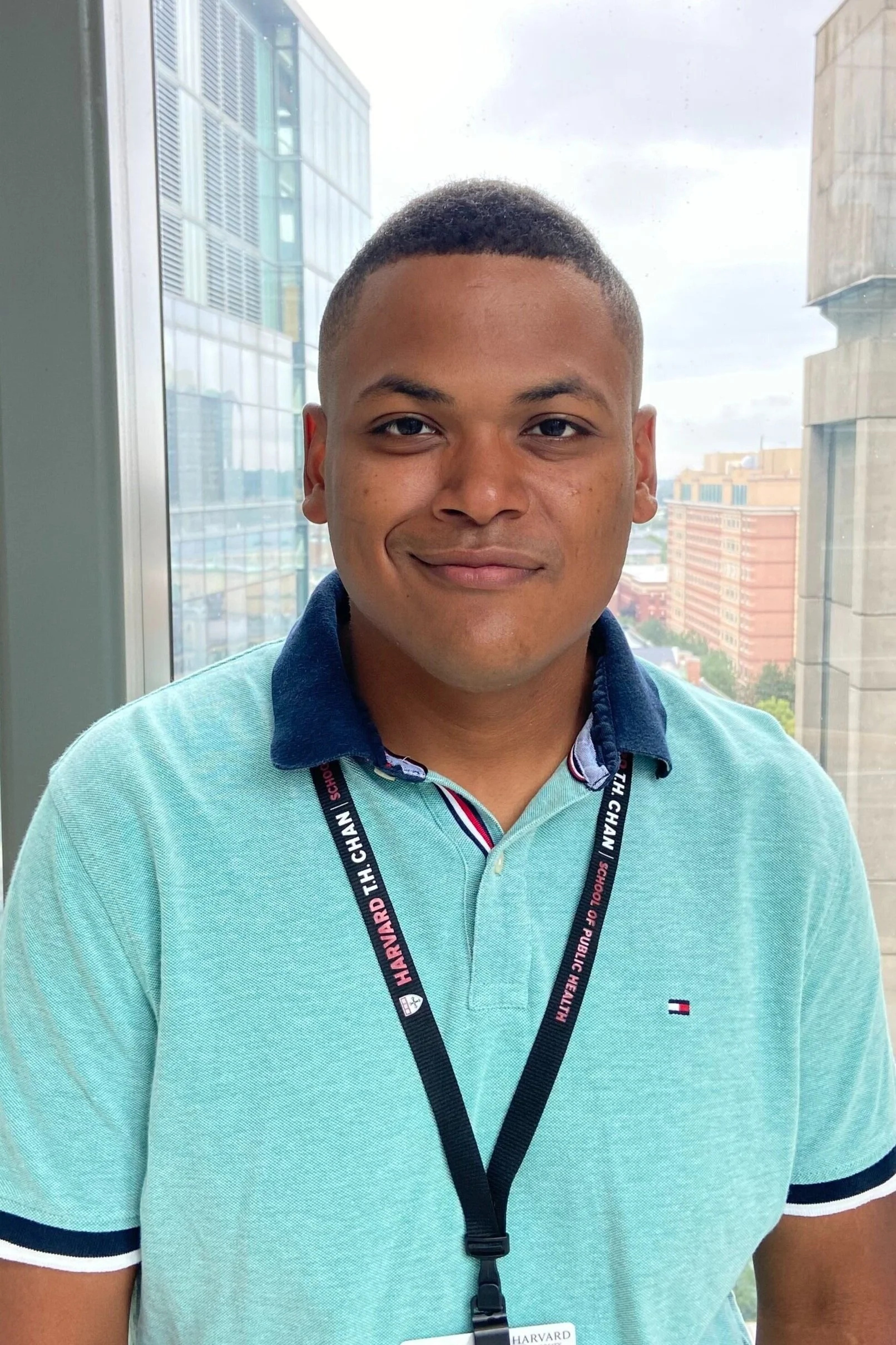
BPH Graduate Student
The general aim of my research is to understand the regulation of cell wall synthesis in the Gram-negative bacterium Pseudomonas aeruginosa.
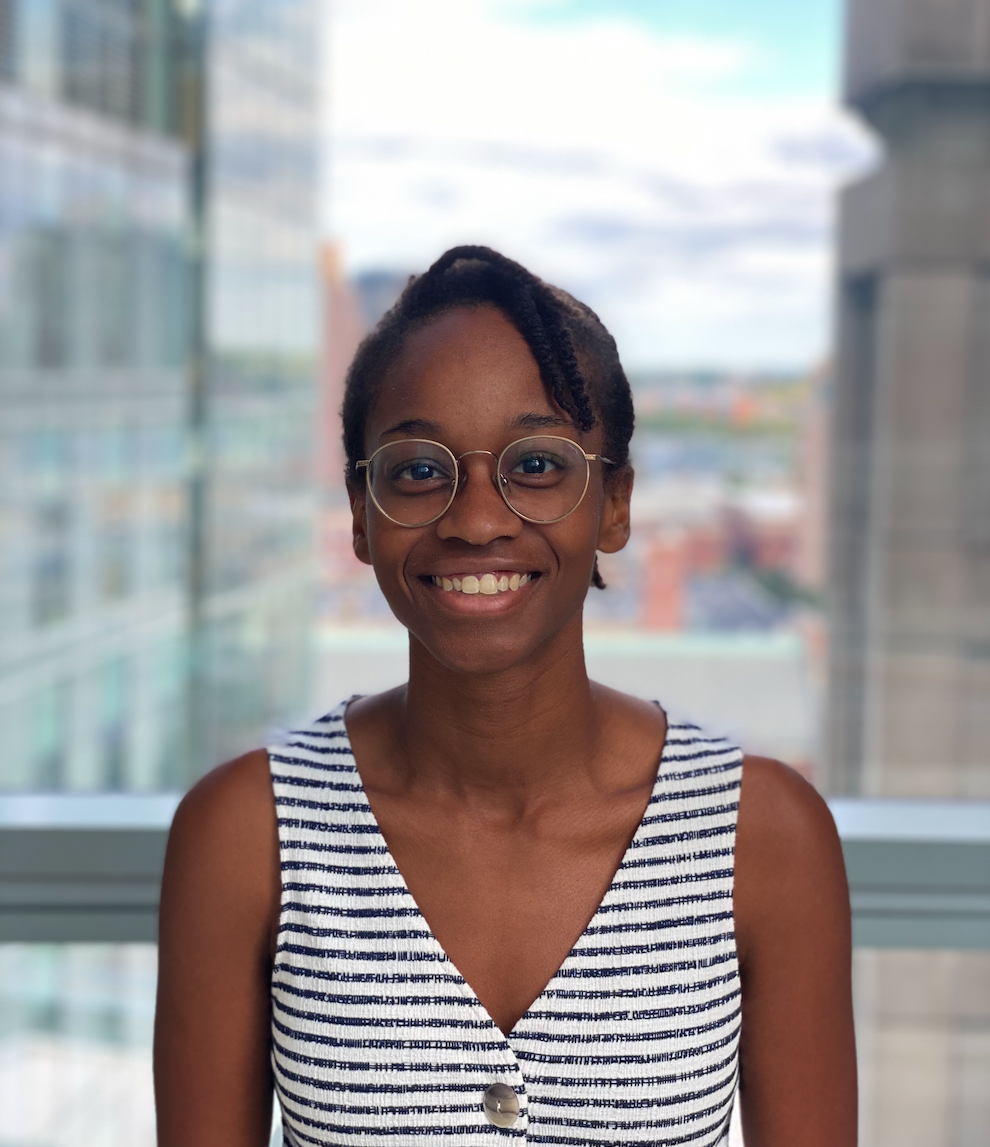
ChemBio Graduate Student
I am most interested in understanding the mechanisms that underpin bacterial cell shape and division. More specifically, in the Bernhardt lab, I study some of the mechanisms by which cell wall integrity in Corynebacterium glutamicum is maintained.

Postdoctoral Fellow
I am interested in understanding the regulatory mechanisms that drive Gram-negative bacterial cell envelope expansion.
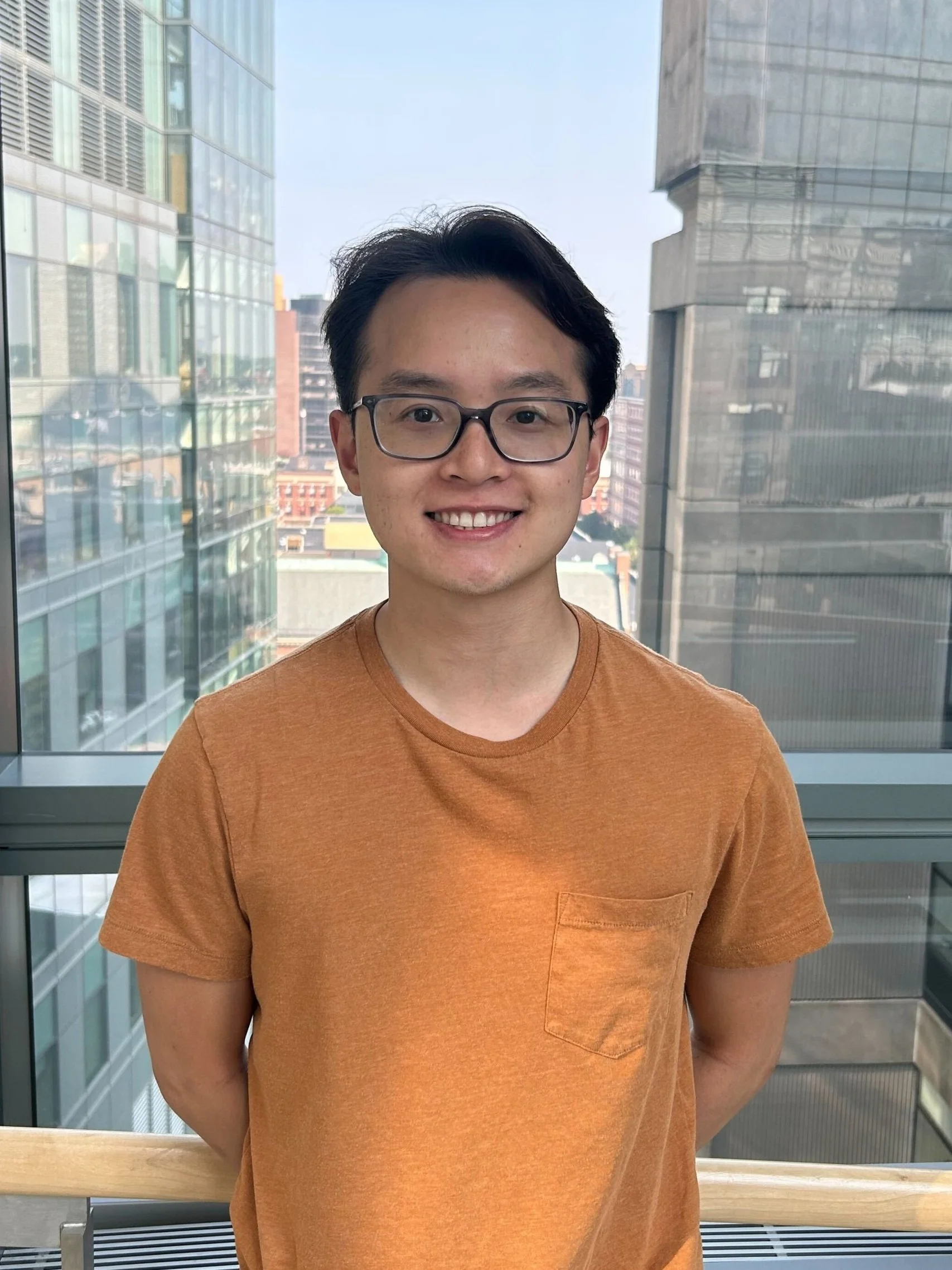
MCO Graduate Student
I am interested in studying the regulation of peptidoglycan hydrolysis during cell division in Escherichia coli, with a focus on mechanisms that control hydrolases and their activators for proper PG cleavage.
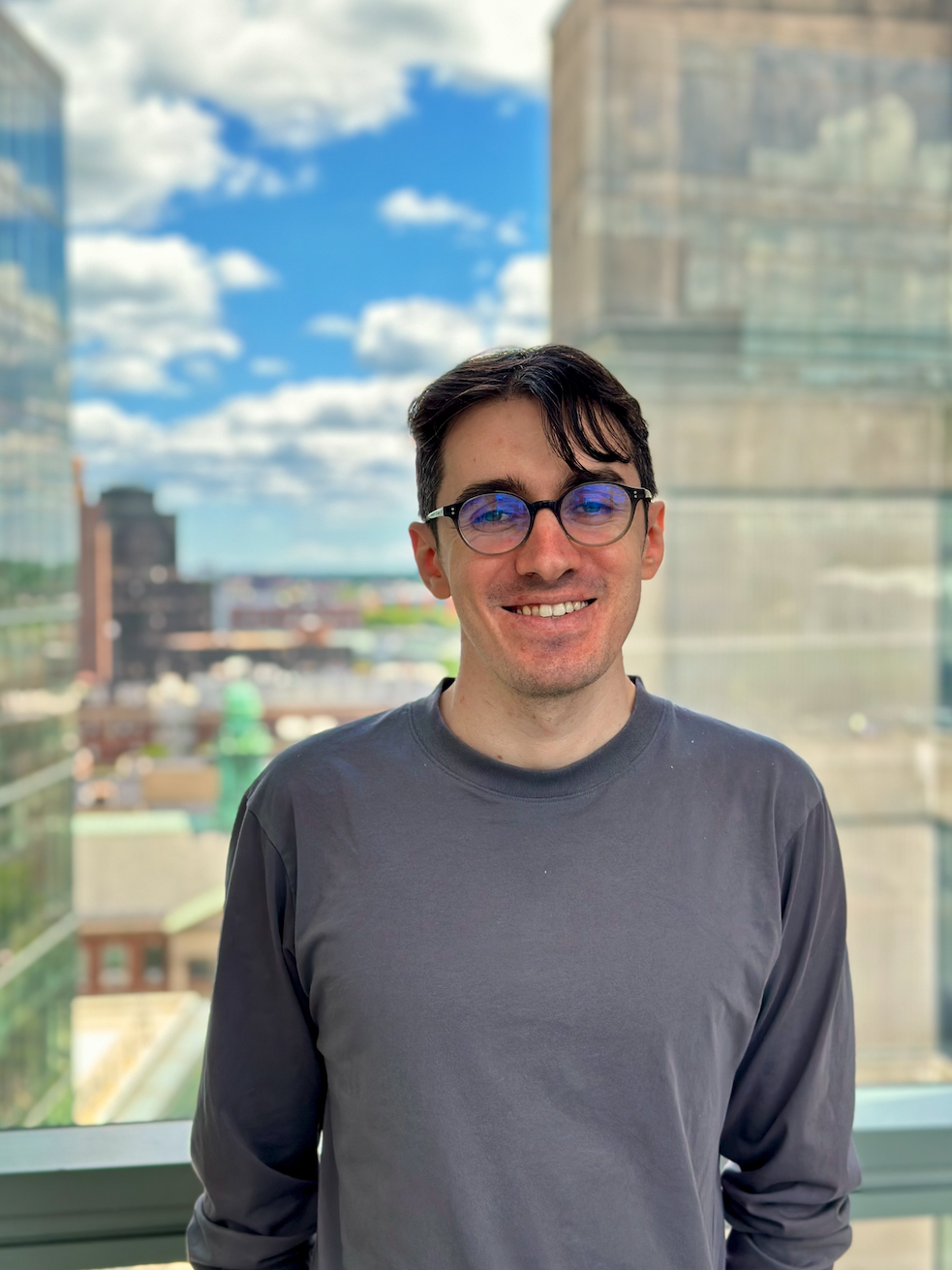
BBS Graduate Student
I am interested in studying the mechanisms that contribute to outer membrane integrity in Gram-negative bacteria.
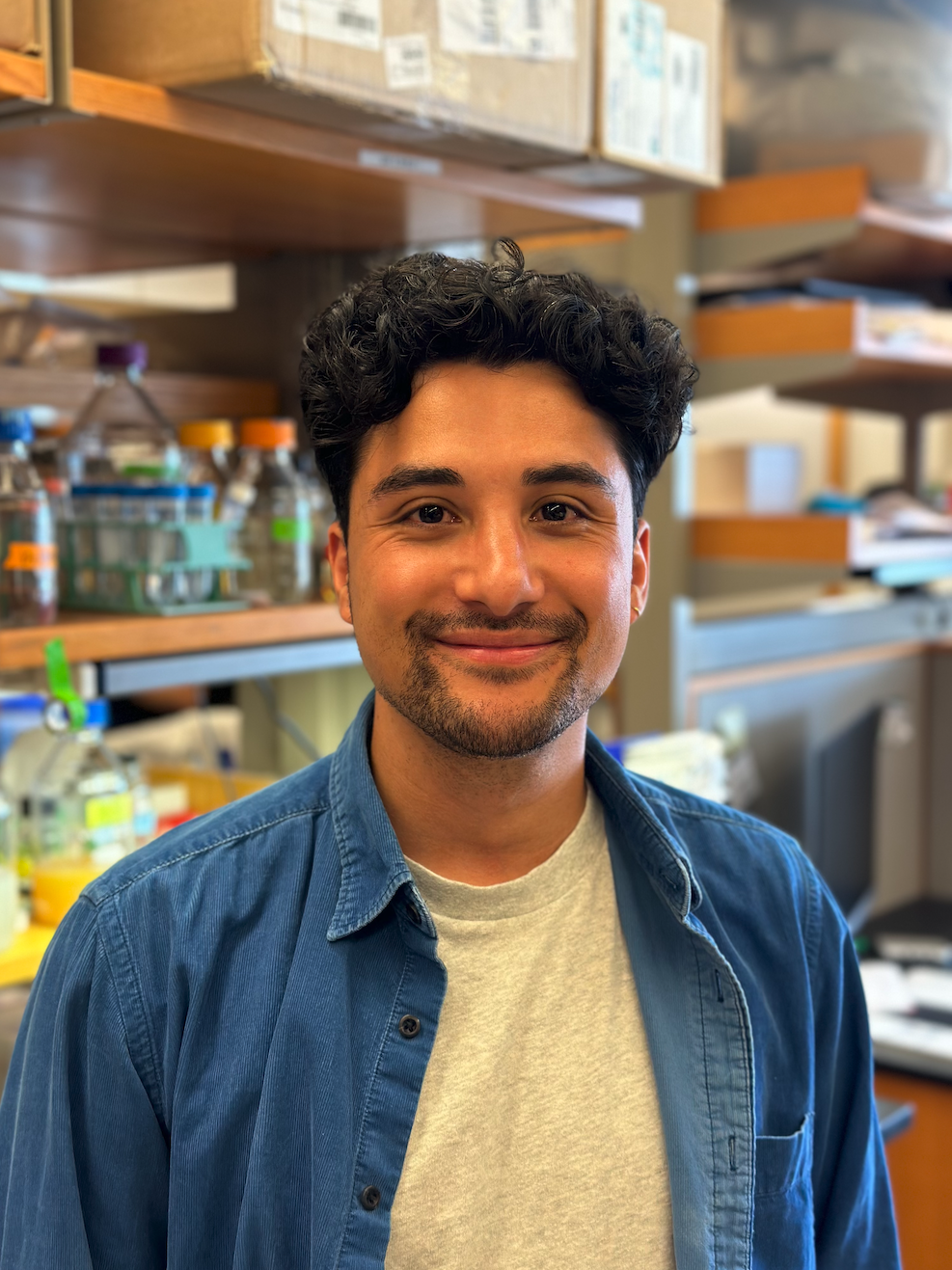
Postdoctoral Fellow
I am interested in the biogenesis and maintenance of the Gram-negative cell envelope.
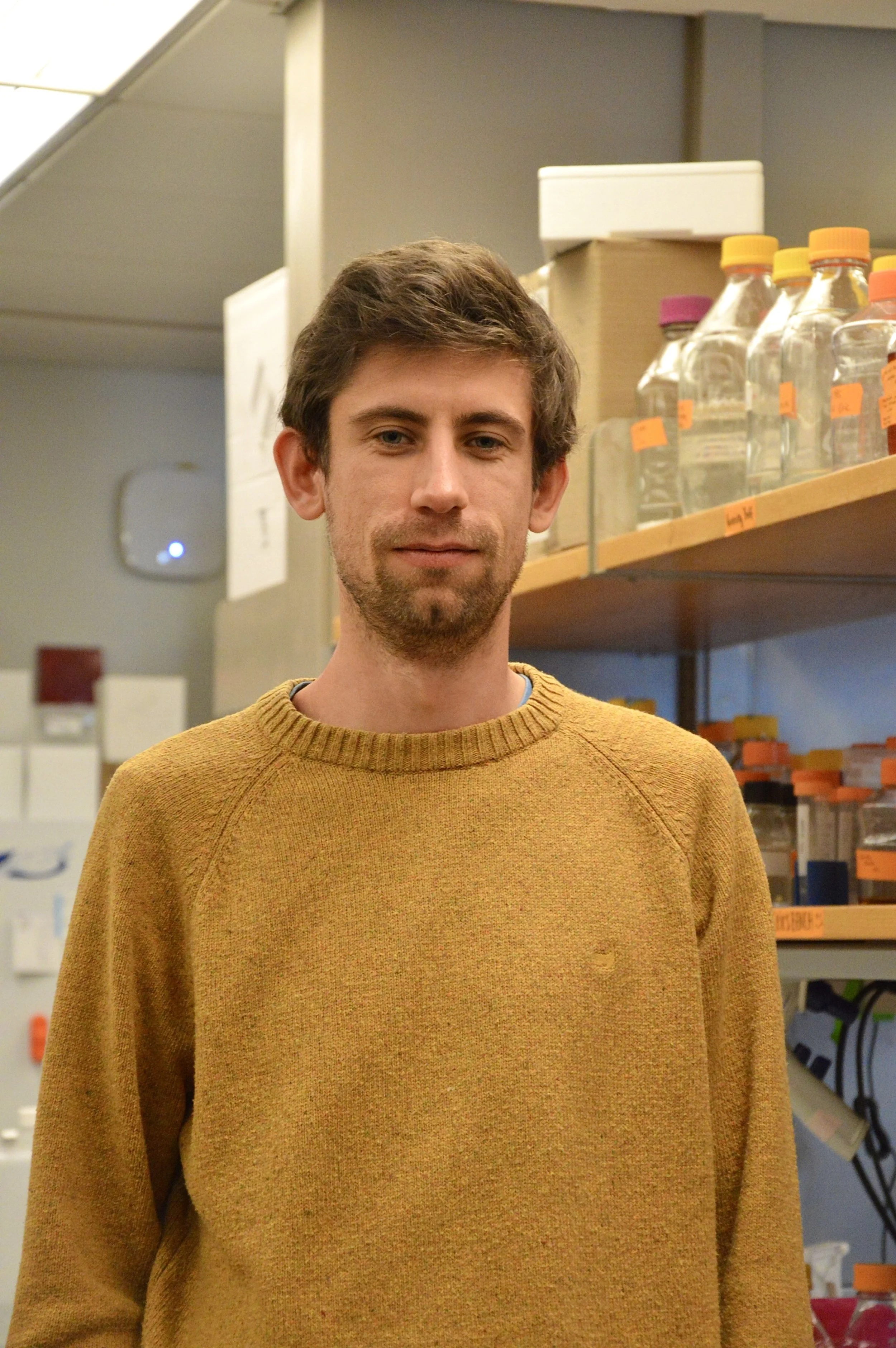
Postdoctoral Fellow
I work at the intersection of quantitative and fundamental microbiology. In that context, I'm currently implementing CRISPR interference techniques to study cell envelope biogenesis in Corynebacterium glutamicum.
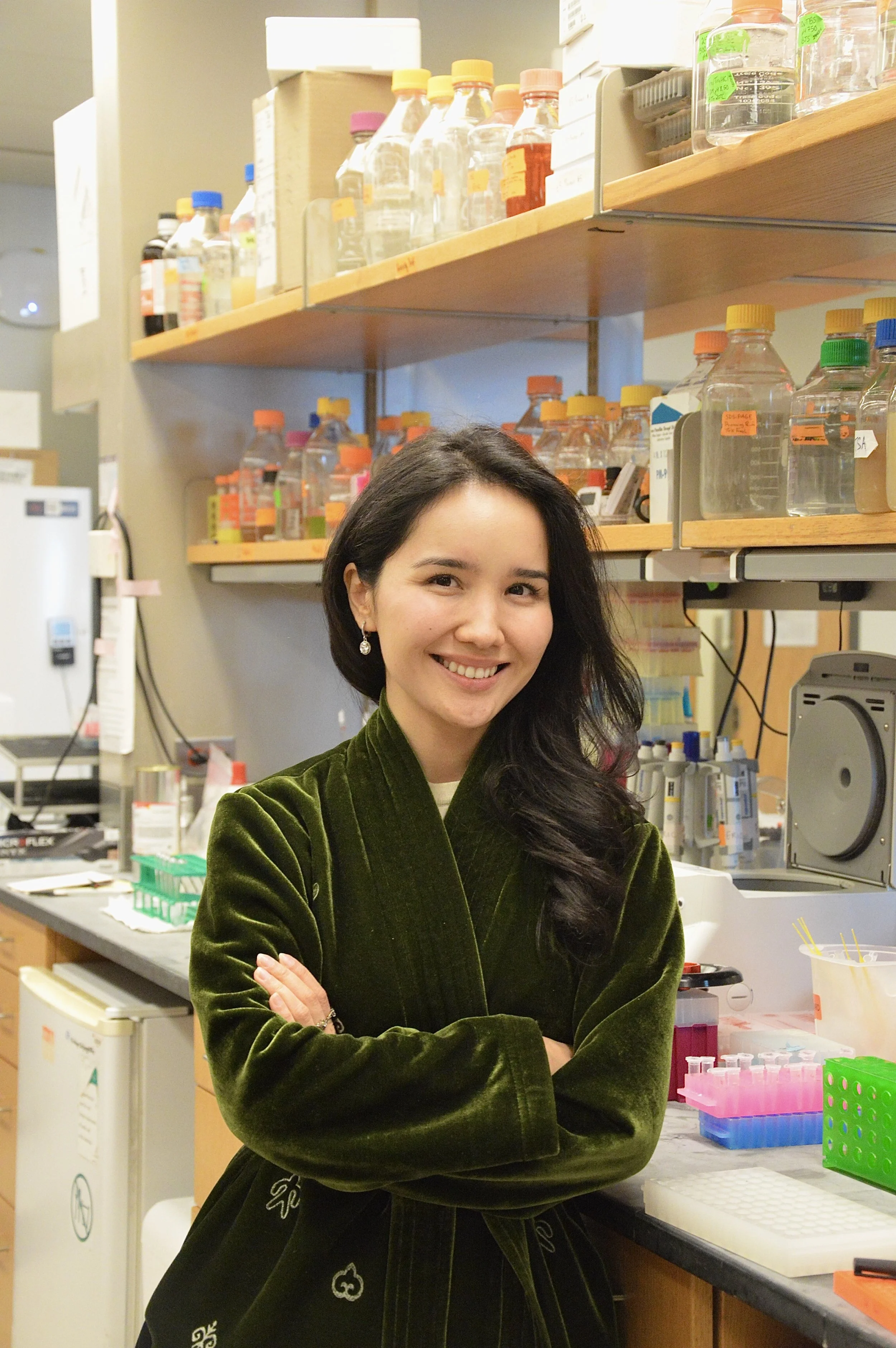
Postdoctoral Fellow
I am interested in special protein localization and factors that determine it in Escherichia coli.
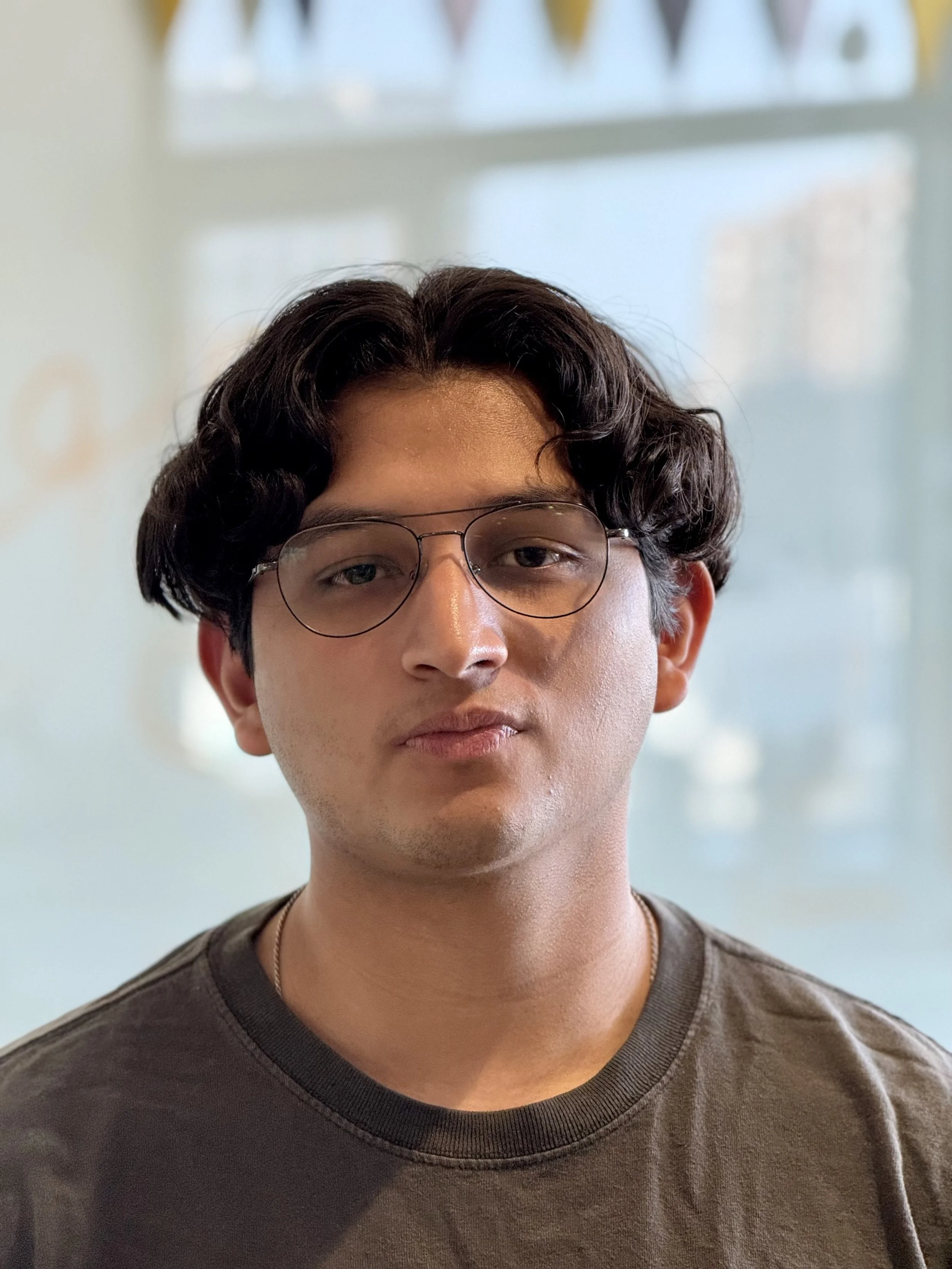
Undergraduate Researcher
I am interested in determining novel players in mycolic acid transport.
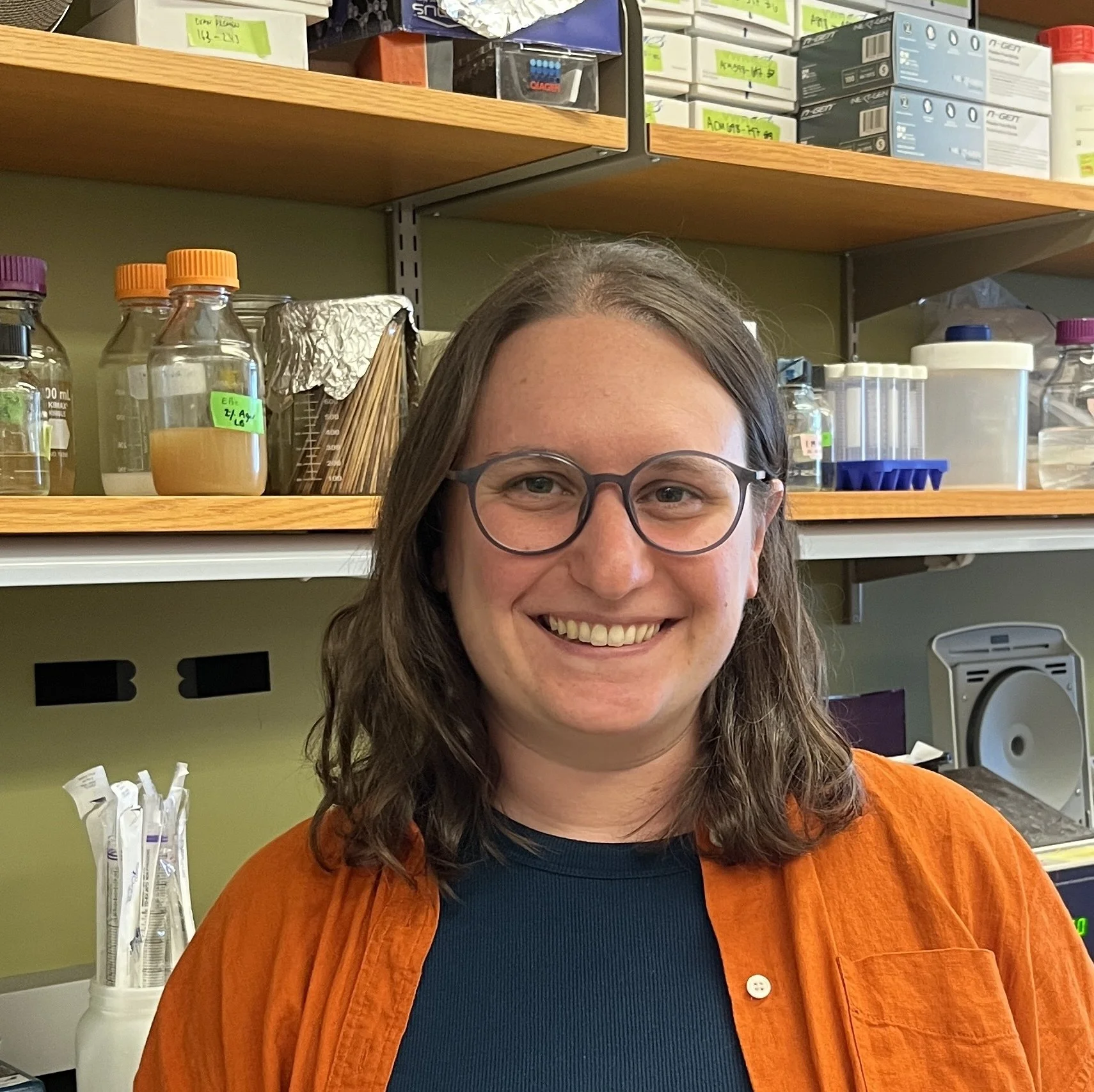
Postdoctoral Fellow
I am interested in using phages to learn more about their bacterial hosts. I also lead the Community Phages program (phages.hms.harvard.edu)!
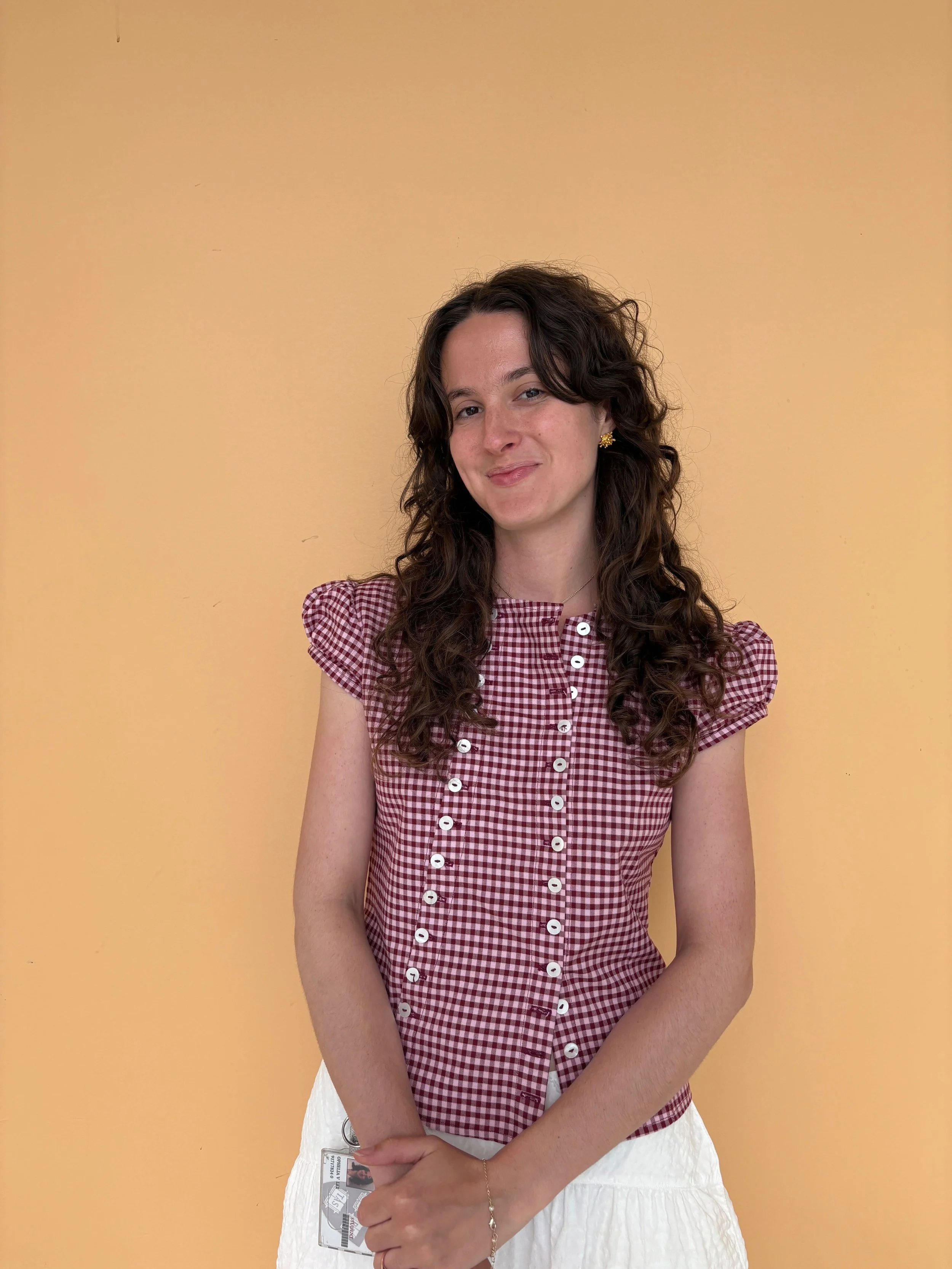
BBS Graduate Student
I am interested in mycolic acid transport and regulation in Corynebacterium glutamicum.
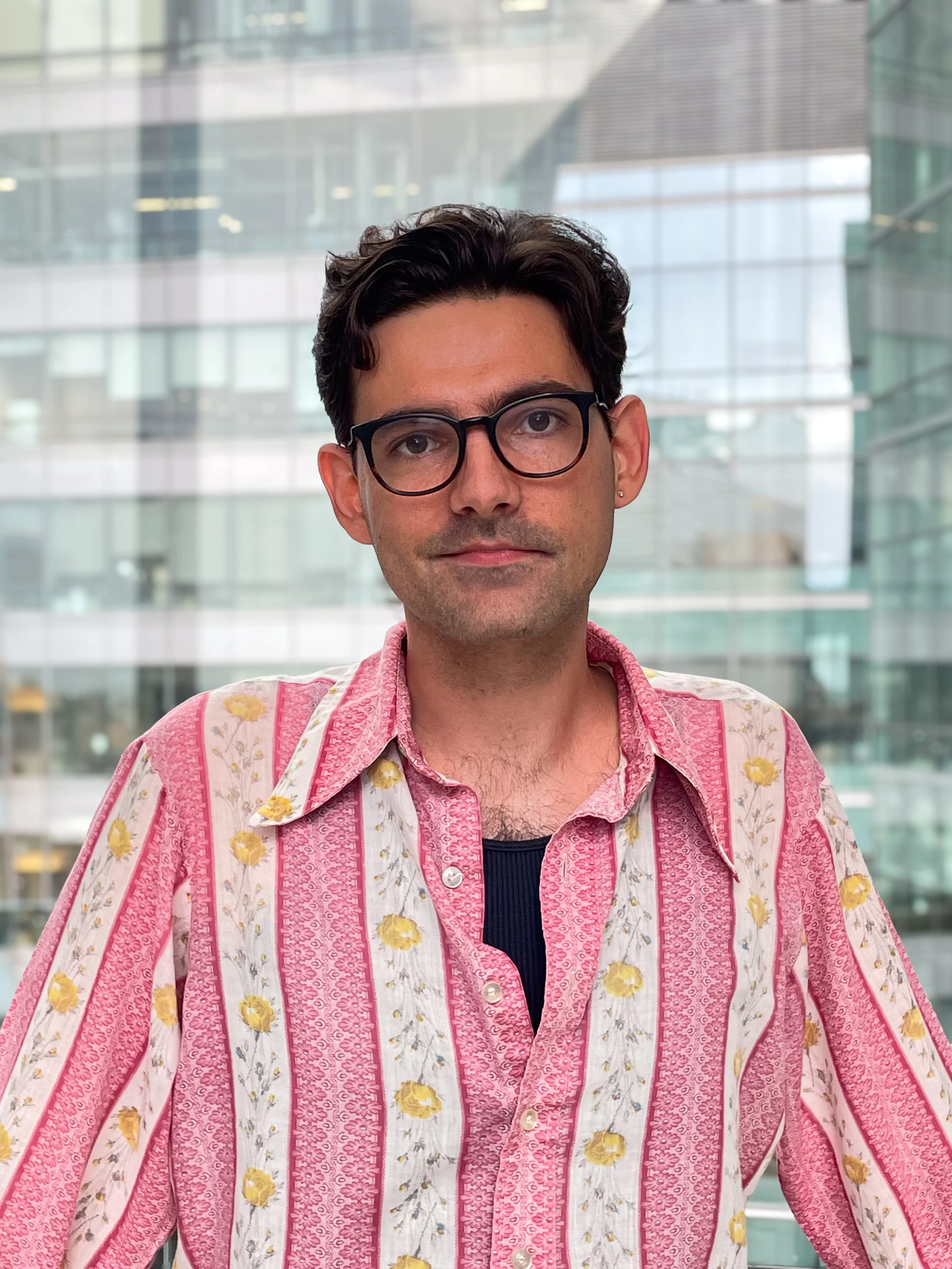
Postdoctoral Fellow
I want to understand how the pathogen Staphylococcus aureus coordinates the synthesis of its cell envelope to escape antibiotic killing.
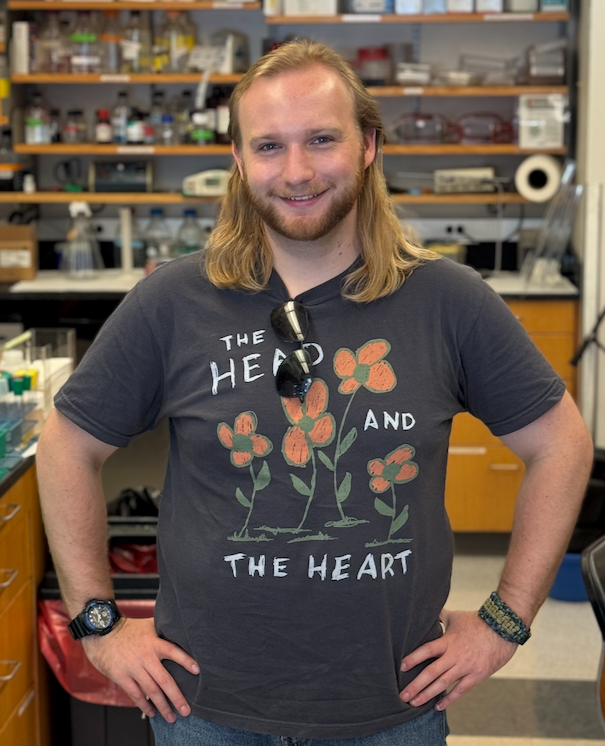
BBS Graduate Student
I am interested in uncovering the downstream regulatory mechanisms of the envelope stress response and how this relates to lipid transport. My larger goal is to uncover novel functions of the envelope stress signal to characterize how E. coli and other species maintain membrane integrity.
Research In Motion
Featured video shows bacterial growth, division, and envelope stress responses as they happen.
Featured Video
A short video overview of how the lab studies bacterial envelope growth and division, and why these mechanisms matter for antimicrobial strategy.
Captions are enabled in the player.
Watch on YouTubeThe Bernhardt Lab investigates how bacteria build, maintain, and remodel their cell envelopes during growth and division. The video highlights live-cell microscopy and genetics approaches used to map where and when envelope machinery is active.
It explains how coupling synthesis with regulated hydrolysis is essential for accurate cytokinesis, how stress-response pathways protect envelope integrity, and why these mechanisms create opportunities to identify vulnerable nodes for antibiotic development.
The featured examples span model organisms and clinically important pathogens, connecting basic envelope biology to broader antimicrobial strategy and resistance-focused research.
Publication Archive
Shows that PBP1b fortifies the division site against osmotic rupture during cytokinesis.
bioRxiv (2025)
Links PorH and ProtX insertion to polar growth and cell-wall connectivity in the corynebacterial mycomembrane.
bioRxiv (2025)
Introduces a direct live-cell readout for lipopolysaccharide trafficking into the outer membrane.
mBio (2025)
Reveals feedback control over lipid-linked precursor synthesis in Pseudomonas aeruginosa cell-wall biogenesis.
Nature Microbiology (2024)
Demonstrates that the Gram-negative outer membrane contributes directly to bacterial shape determination.
PNAS (2023)
Uses phage resistance profiling to uncover new genes required for corynebacterial envelope biogenesis and modification.
eLife (2022)
Lab Gallery


Featured Alumni
Roles are based on Bernhardt lab records and public institutional profiles (updated March 17, 2026). Request an update or removal. Include your name, entry URL, and requested correction/removal.
Contact
Department of Microbiology
Harvard Medical School
Boston, MA 02115
Email: thomas_bernhardt [at] hms.harvard.edu
Contact The LabHarvard Medical School, 77 Avenue Louis Pasteur, Boston.
Join The Lab
If you are looking for training opportunities at any level, please contact us about potential openings.
A short note about your interests, training stage, and timing is helpful.
Collaborators
The Bernhardt Lab works with complementary HMS and Harvard groups across microbiology, chemistry, structure, and single-molecule biophysics.
Bacterial development and cell biology
Open lab websiteChemical biology of cell wall assembly
Open lab websiteGram-negative envelope assembly and resistance
Open lab websiteMembrane protein signaling and structure
Open lab websiteSingle-molecule genome maintenance
Open lab website